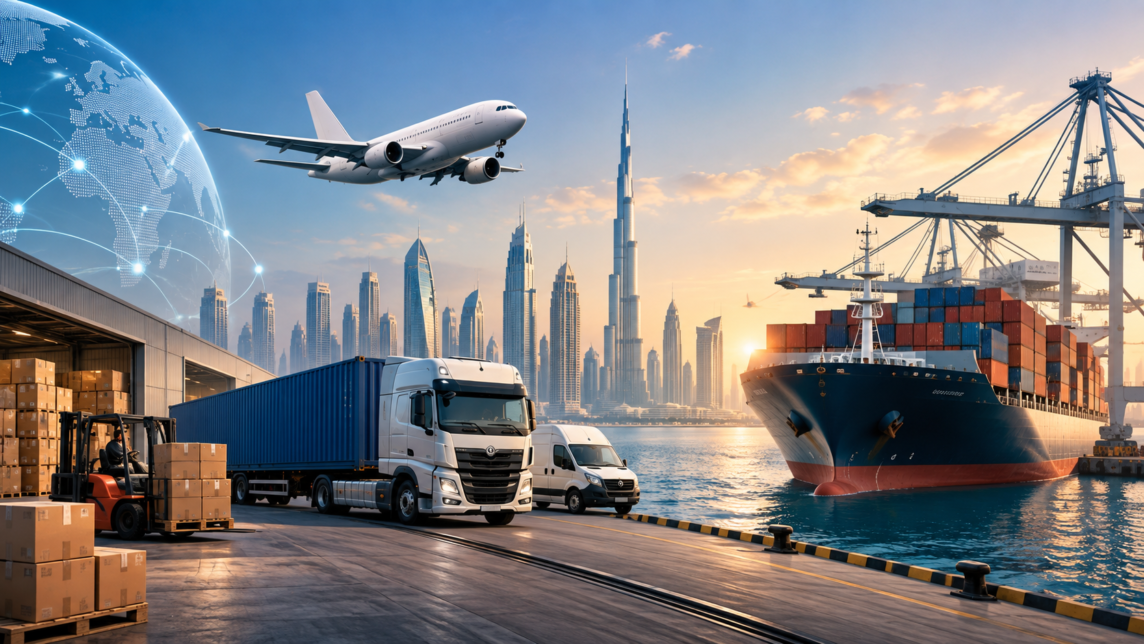
China is one of the world’s leading manufacturers and exporters of construction equipment, industrial machines, agricultural machinery, and heavy vehicles. With Dubai continuing to grow as a major construction, logistics, manufacturing, and trading hub, heavy machinery shipping from China to Dubai, UAE has become an important logistics service for contractors, equipment dealers, factories, and project owners.
Shipping heavy equipment internationally is very different from transporting ordinary cargo. Excavators, cranes, bulldozers, generators, forklifts, loaders, industrial production lines, and similar equipment require specialized handling, suitable shipping methods, secure loading, and proper customs documentation.
Whether you are importing a single excavator or multiple machines for a major project, understanding the shipping process can help you reduce delays, control costs, and protect your equipment throughout the journey.
Why Import Heavy Machinery from China to Dubai?
China has a large manufacturing industry offering machinery for construction, infrastructure, manufacturing, agriculture, warehousing, mining, and other commercial sectors. Buyers in Dubai and across the UAE source equipment from China because of the wide range of manufacturers, competitive pricing, availability of spare parts, and extensive choice of machine specifications.
Common equipment shipped from China to the UAE includes:
- Excavators and mini excavators
- Bulldozers
- Wheel loaders
- Forklifts
- Mobile and crawler cranes
- Road rollers
- Motor graders
- Concrete machinery
- Generators and compressors
- Agricultural equipment
- Mining machinery
- Factory and production machinery
- Drilling equipment
- Industrial machines
- Heavy trucks and specialized vehicles
Because many of these machines are oversized or extremely heavy, choosing an experienced international shipping company is essential.
Shipping Methods for Heavy Machinery from China to Dubai
The best shipping method depends on the dimensions, weight, mobility, value, and design of the machinery. The main options include container shipping, Flat Rack containers, Roll-on/Roll-off services, and Breakbulk shipping.
1. Container Shipping
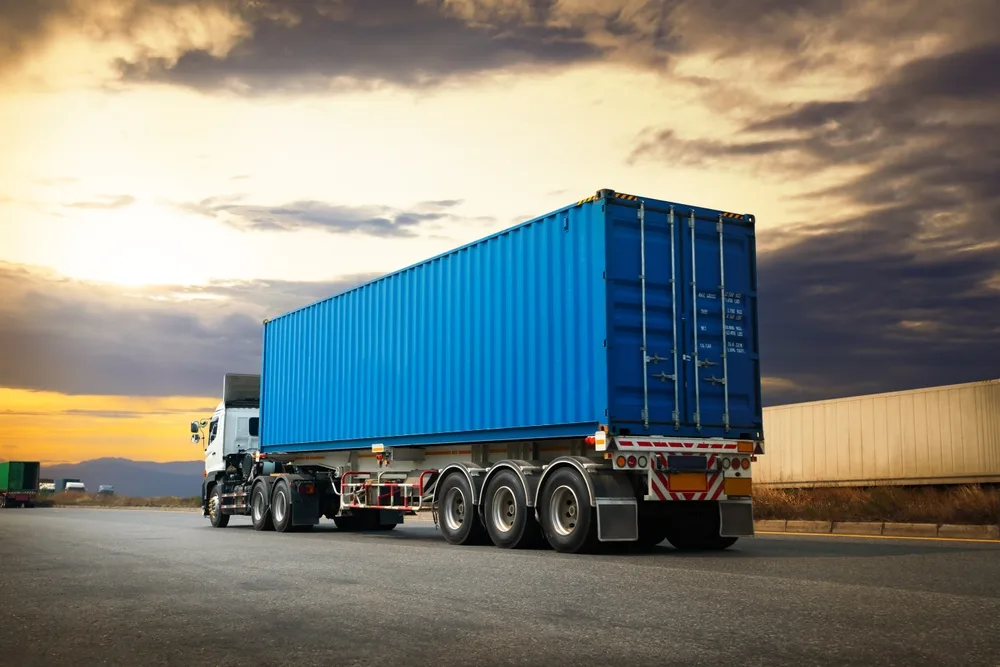
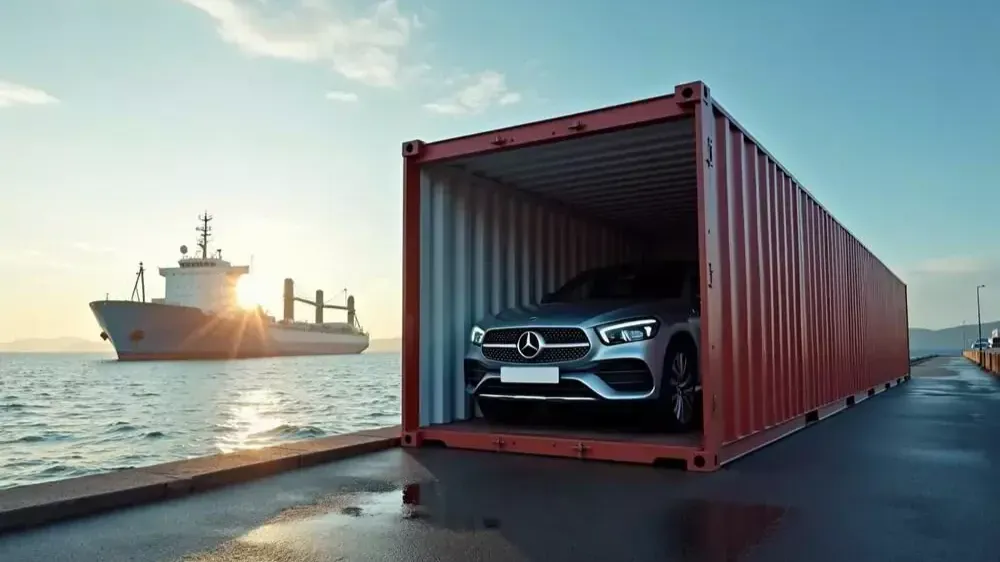
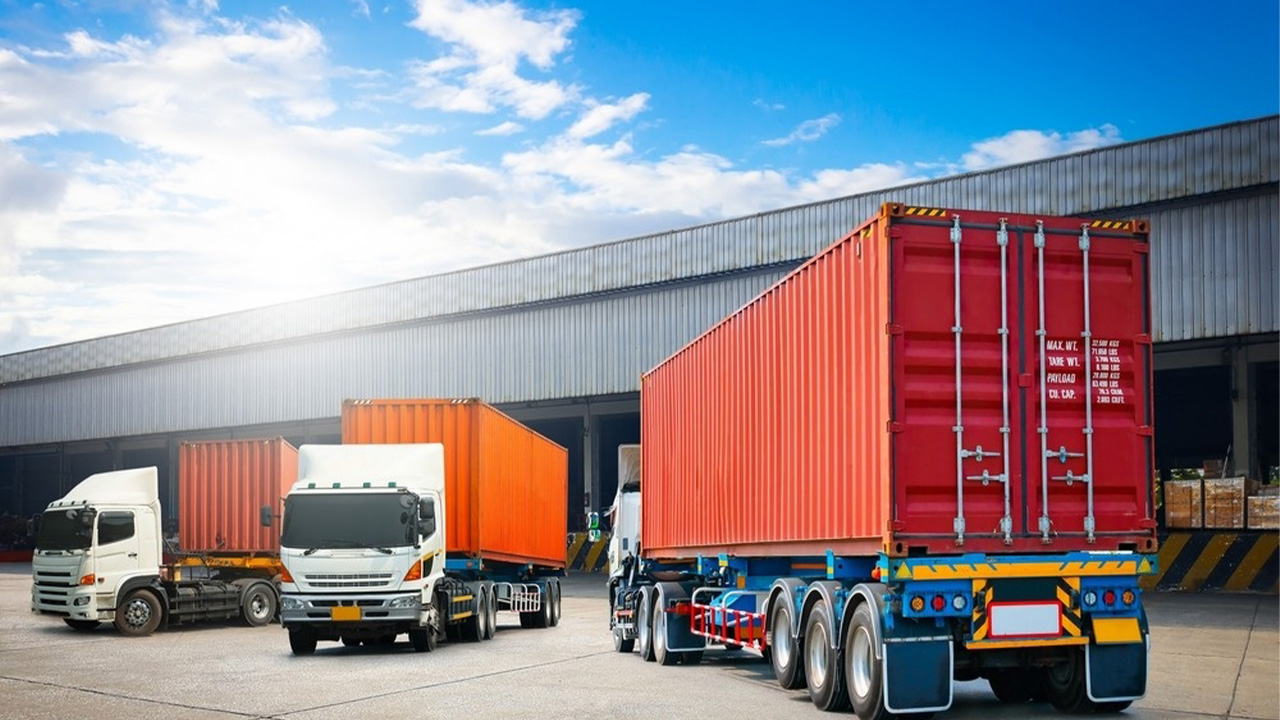
Smaller machines and equipment that fit within standard shipping container dimensions can be transported using 20-foot or 40-foot containers.
Container shipping provides good protection because the machinery remains inside the container throughout most of the international journey. It can be suitable for compact machinery, spare parts, generators, industrial equipment, and dismantled machines.
Machines may need to be partially dismantled before loading to meet container dimensions. Components can then be securely packed and positioned to prevent movement during transportation.
2. Flat Rack Shipping
Flat Rack containers are commonly used for machinery that cannot fit inside a standard enclosed container because of its width or height.
Equipment is loaded onto the Flat Rack platform and professionally secured using appropriate chains, straps, blocks, and other securing materials.
Flat Rack shipping can be suitable for:
- Excavators
- Loaders
- Construction machines
- Industrial equipment
- Oversized vehicles
- Large generators
Accurate dimensions and weight are particularly important when requesting a Flat Rack shipping quotation.
3. RoRo Shipping
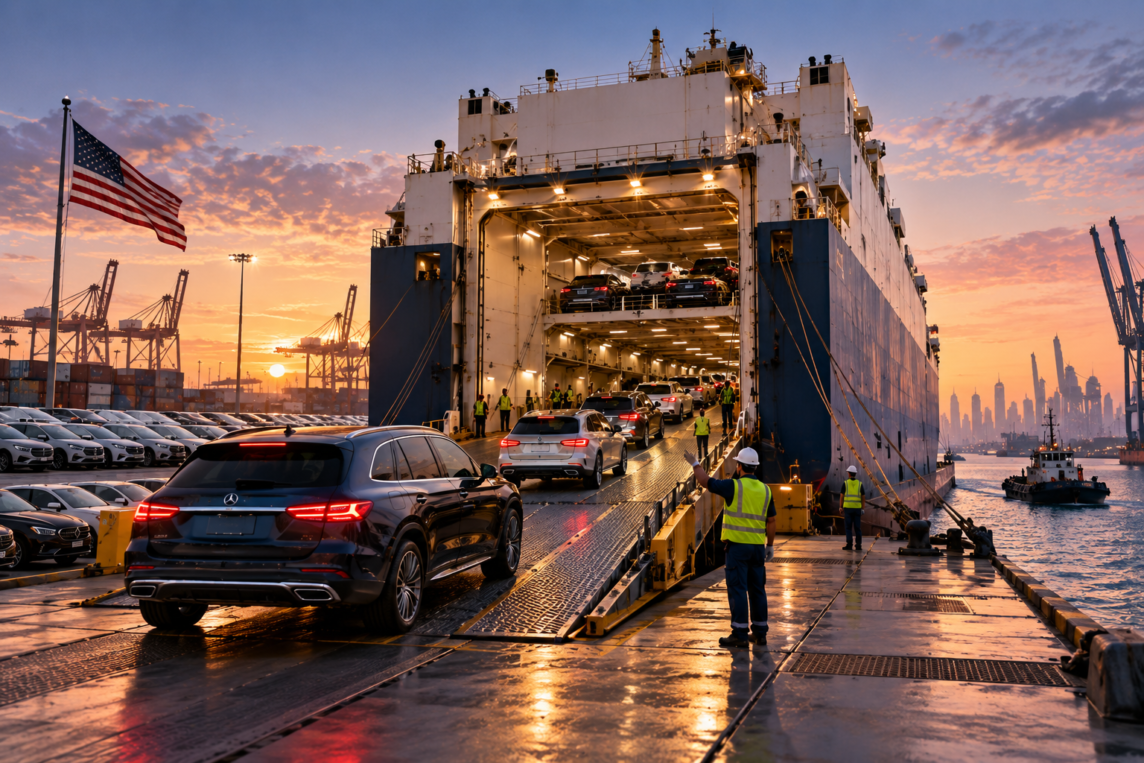
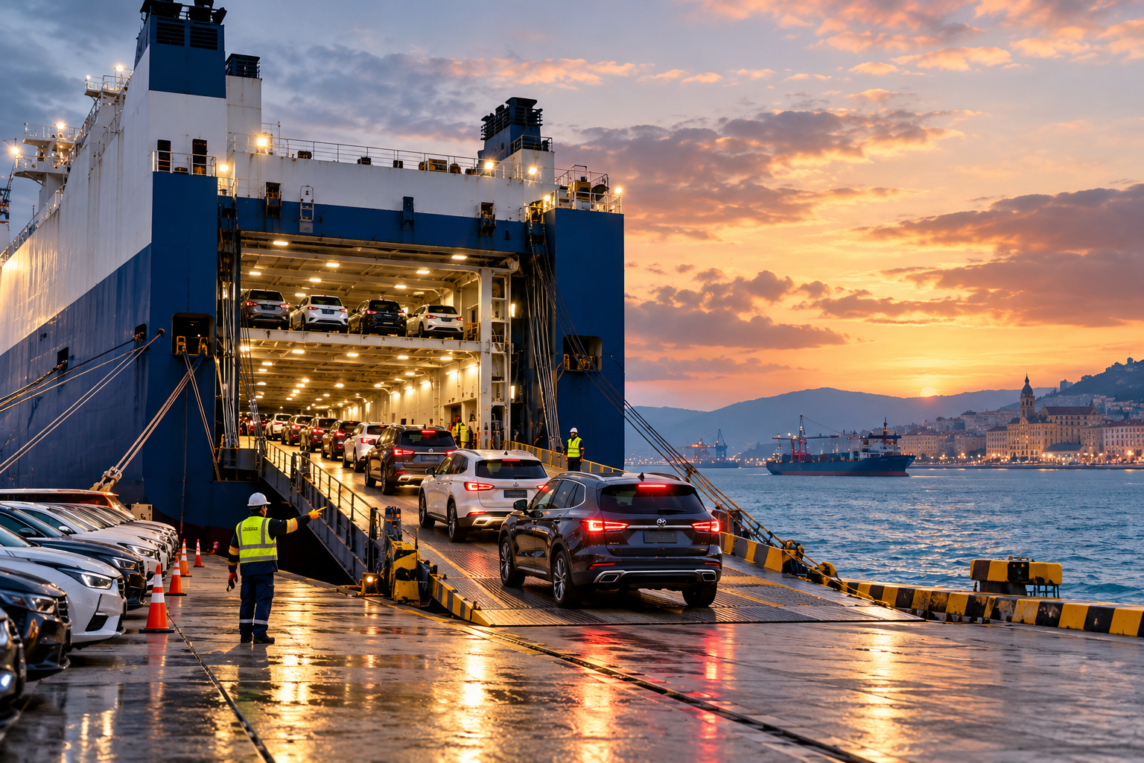
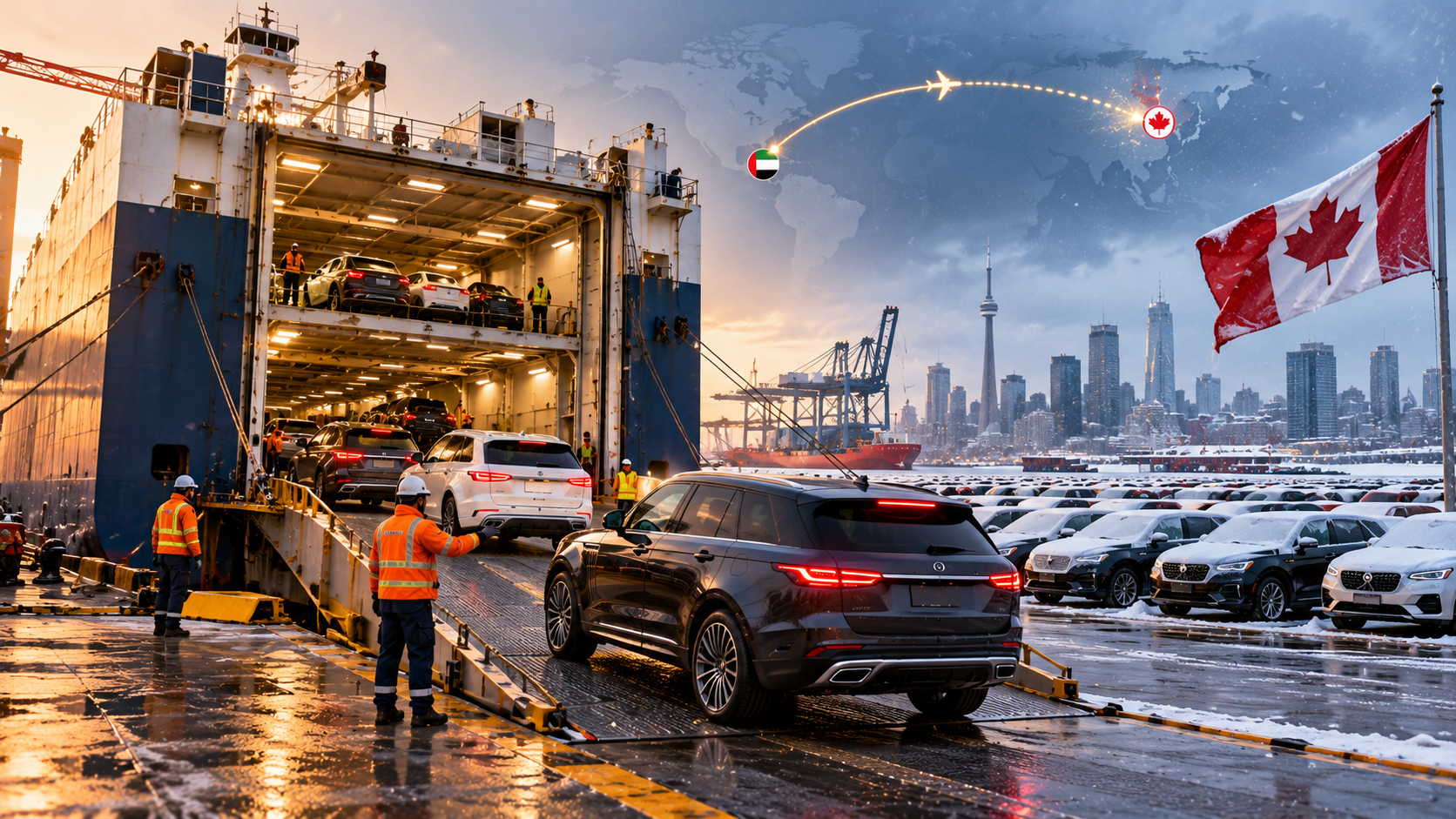
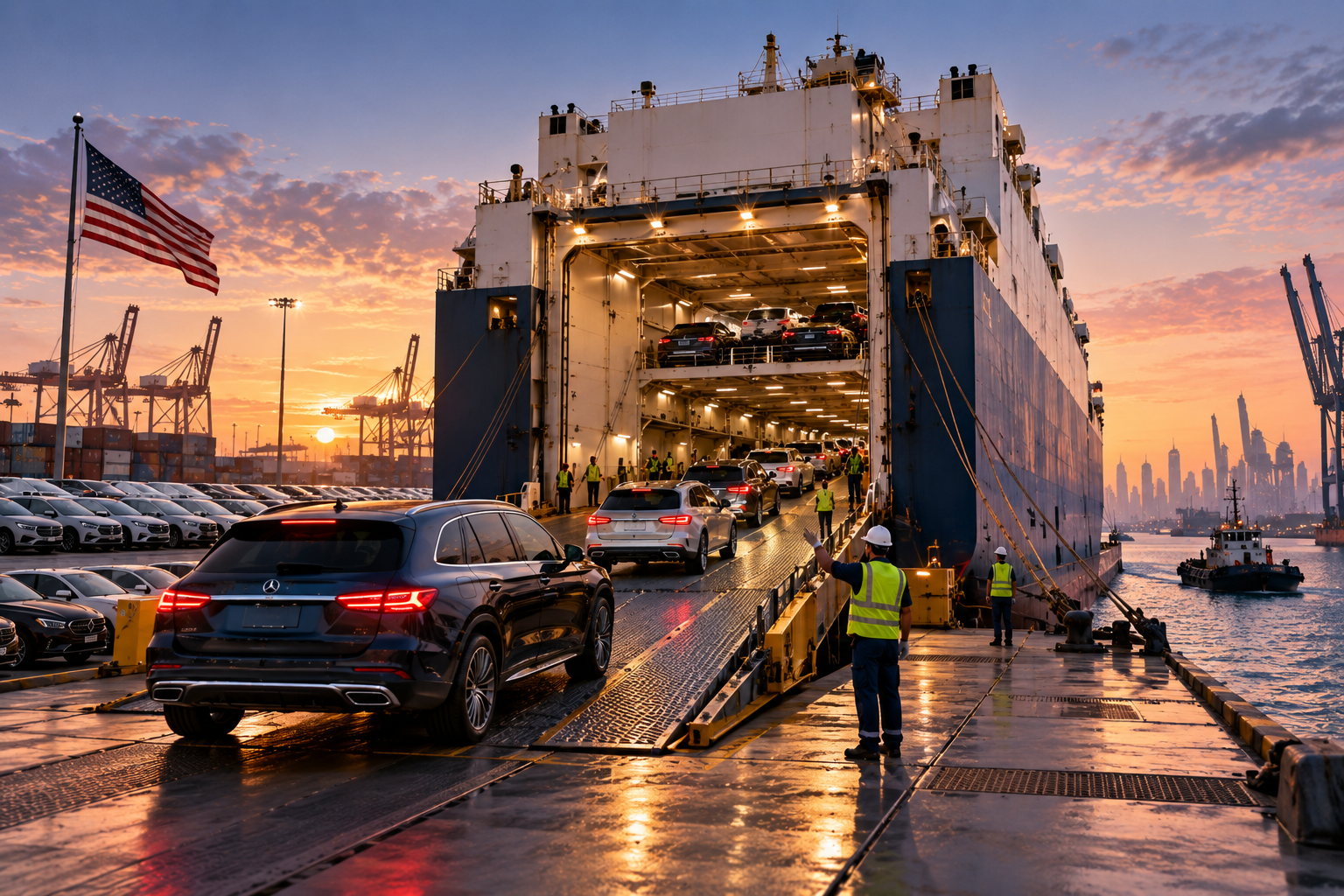
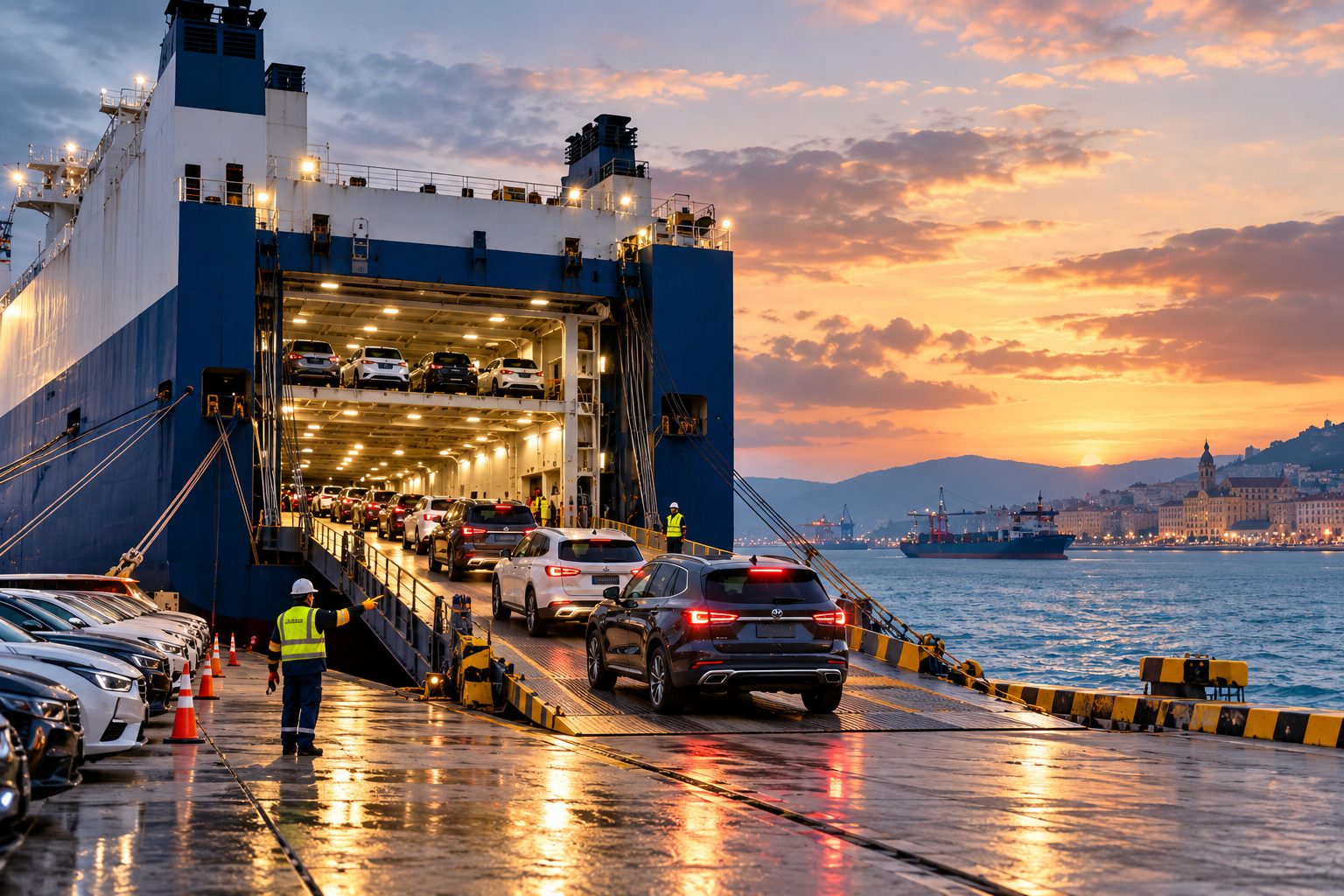
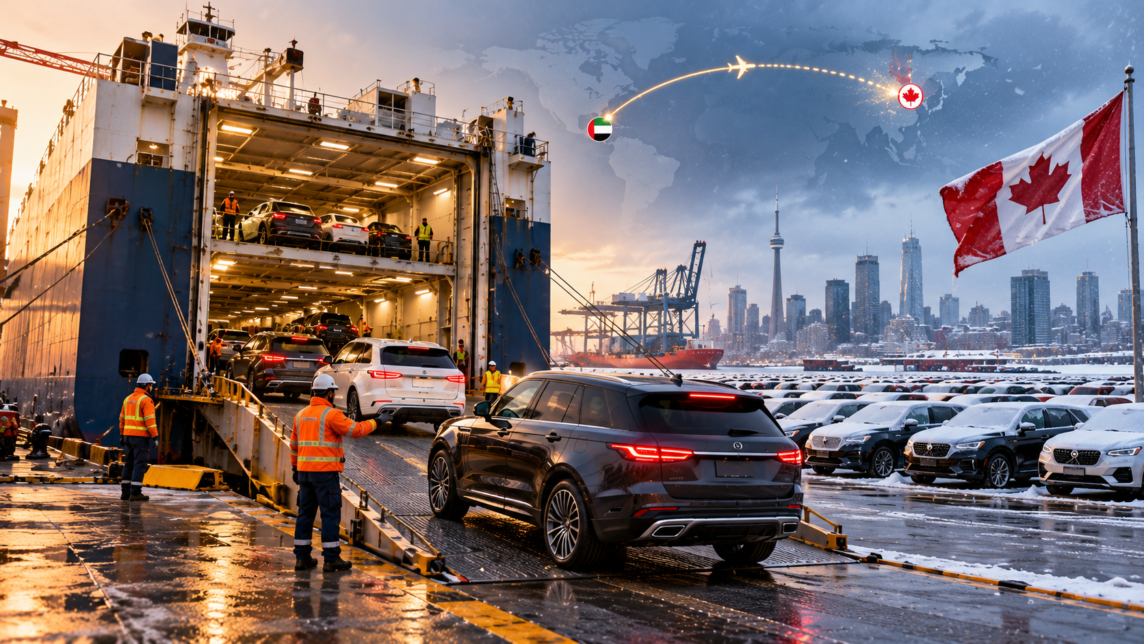
Roll-on/Roll-off (RoRo) shipping can be a practical option for self-propelled or towable machinery.
The equipment is driven or moved onto a specialized RoRo vessel at the origin port and unloaded at the destination port. Depending on vessel availability and equipment acceptance requirements, RoRo may be used for construction machinery, trucks, tractors, loaders, and other rolling equipment.
The suitability of RoRo depends on factors such as machinery condition, port facilities, dimensions, weight, and the shipping line’s acceptance policy.
4. Breakbulk Shipping
Extremely large or heavy machines that cannot be transported using conventional containers may require Breakbulk shipping.
Instead of being placed inside a container, the machinery is individually loaded onto the vessel using suitable lifting equipment.
Breakbulk shipping is commonly considered for:
- Large cranes
- Heavy industrial machinery
- Oversized construction equipment
- Factory equipment
- Project cargo
- Large mining machinery
Detailed cargo planning is especially important for Breakbulk shipments because lifting points, weight distribution, dimensions, and handling requirements need to be carefully evaluated.
Heavy Machinery Shipping Process from China to Dubai
Professional planning starts before the machine reaches the Chinese port. A typical shipping process involves the following stages.
Step 1: Collect Machinery Details
The shipping company will normally require accurate information about the equipment, including:
- Machine type and model
- Length, width, and height
- Gross weight
- Pickup location in China
- Destination in the UAE
- Whether the machine is operational
- Photographs of the machinery
- Required shipping method
Providing accurate specifications helps the freight forwarder select suitable transportation equipment and prepare a more reliable quotation.
Step 2: Pickup and Inland Transportation in China
The machinery must be transported from the manufacturer, dealer, factory, warehouse, or equipment yard to the departure port.
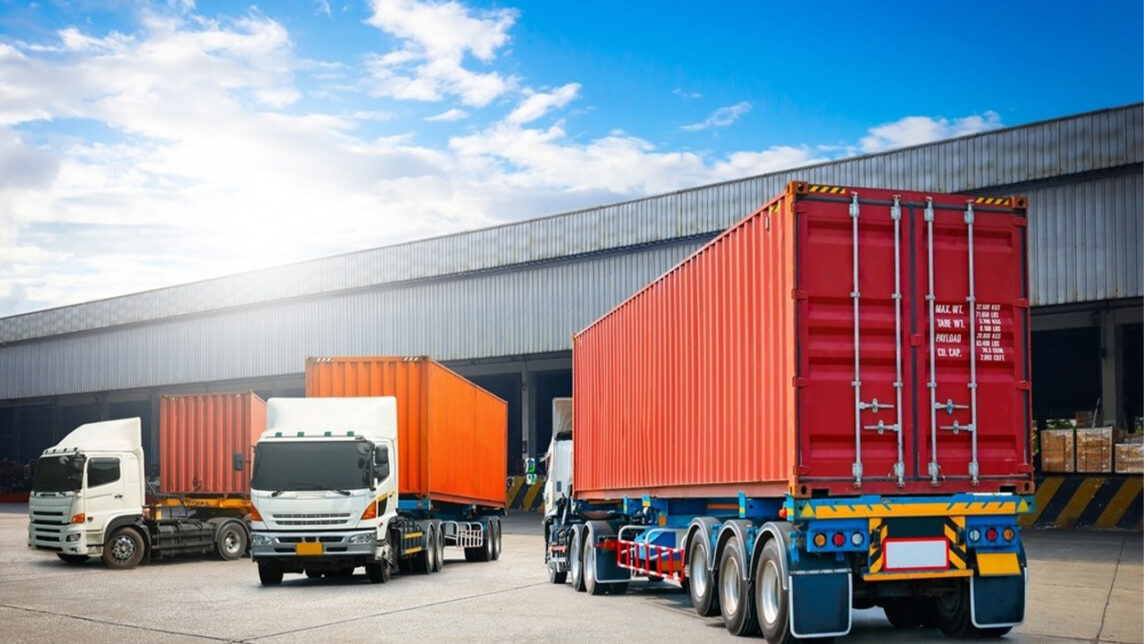
Depending on its dimensions and weight, specialized trailers such as low-bed or heavy-duty transport vehicles may be required.
Major Chinese ports handling international cargo include Shanghai, Ningbo, Shenzhen, Qingdao, Guangzhou, and Tianjin. The appropriate departure port usually depends on the equipment’s location, shipping schedule, vessel service, and overall logistics cost.
Step 3: Loading and Securing
Heavy machinery must be properly secured before ocean transportation.
Professional loading may involve blocking, bracing, lashing, chains, straps, wheel securing, and other techniques appropriate to the cargo and shipping method.
Poor securing can result in movement during transit and increase the risk of damage. For oversized or valuable machinery, experienced cargo-handling teams are particularly important.
Step 4: Export Documentation and Customs Procedures
Before the equipment leaves China, the required export documents and customs procedures must be completed.
Depending on the shipment, documentation may include:
- Commercial invoice
- Packing list
- Bill of lading
- Export declaration
- Certificate of origin, where applicable
- Machinery details
- Purchase documents
- Other documents requested by customs or the carrier
Requirements can vary depending on the machine, its condition, shipment structure, and current regulations.
Step 5: Ocean Freight to Dubai
After customs clearance and loading, the equipment is shipped from China to the UAE.
Transit time varies according to the Chinese departure port, shipping line, vessel schedule, routing, transshipment requirements, and destination port.
Businesses should therefore confirm the latest sailing schedule and estimated transit time when arranging the shipment rather than relying on a fixed number of days.
Step 6: UAE Customs Clearance
Once the shipment arrives in the UAE, customs clearance must be completed before the machinery can be released.
Importers should ensure that invoices, cargo descriptions, HS codes, certificates, and other required documentation are accurate. Duties, taxes, port charges, inspections, and regulatory requirements can vary according to the type and value of the machinery.
Working with an experienced customs clearance and freight forwarding company can make this stage significantly easier.
Step 7: Delivery to the Final Destination
After customs clearance and port release, the machinery can be transported to its final location.
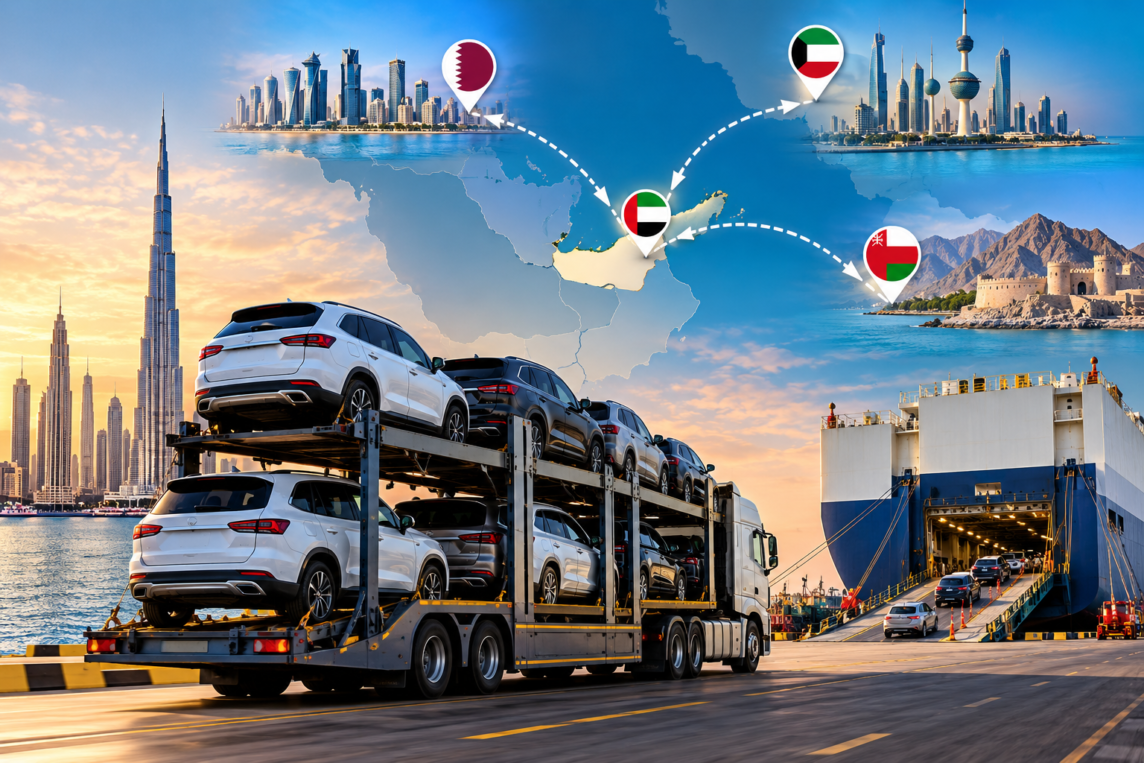
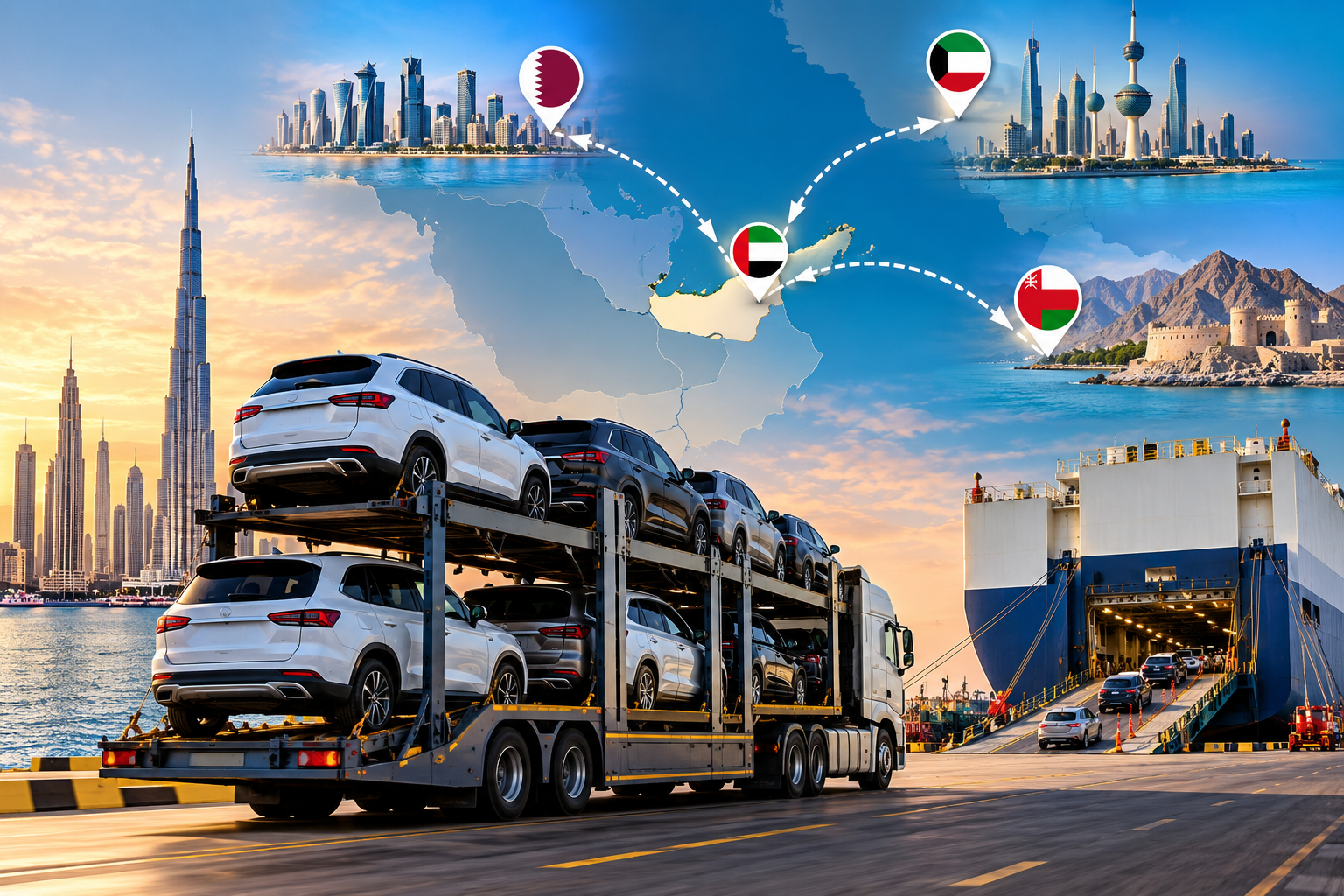
Delivery may be arranged to destinations throughout Dubai and other Emirates, including construction sites, warehouses, factories, equipment yards, and project locations.
Oversized equipment may require specialized trailers and additional transport arrangements depending on its dimensions and the applicable road requirements.
Cost of Shipping Heavy Machinery from China to Dubai
There is no single fixed price for heavy machinery shipping because every shipment has different specifications.
The overall cost may depend on the machine dimensions and weight, departure location, Chinese port, shipping method, container type, ocean freight rate, loading requirements, customs clearance, port charges, documentation, insurance, and final delivery location.
Oversized equipment can also involve additional handling and transportation expenses.
To receive an accurate quotation, provide the shipping company with the machine’s exact dimensions, gross weight, photos, pickup location, and delivery requirements.
Tips for Safe Heavy Machinery Shipping
Proper preparation can help minimize shipping problems. Before transportation, clean the machinery where necessary and inspect its overall condition. Take clear photographs from multiple angles so that its pre-shipment condition is documented.
Remove or secure loose accessories and confirm whether any parts should be dismantled for transportation. Hydraulic components, booms, buckets, attachments, mirrors, or other protruding parts may need special preparation depending on the machine.
For high-value machinery, cargo insurance should also be considered. Marine cargo insurance can provide financial protection against covered risks during international transportation, subject to the specific policy terms.
Most importantly, work with a freight forwarder that has experience handling oversized cargo, heavy equipment, project cargo, and machinery shipping between China and the UAE.
Why Choose a Professional Heavy Machinery Shipping Company?
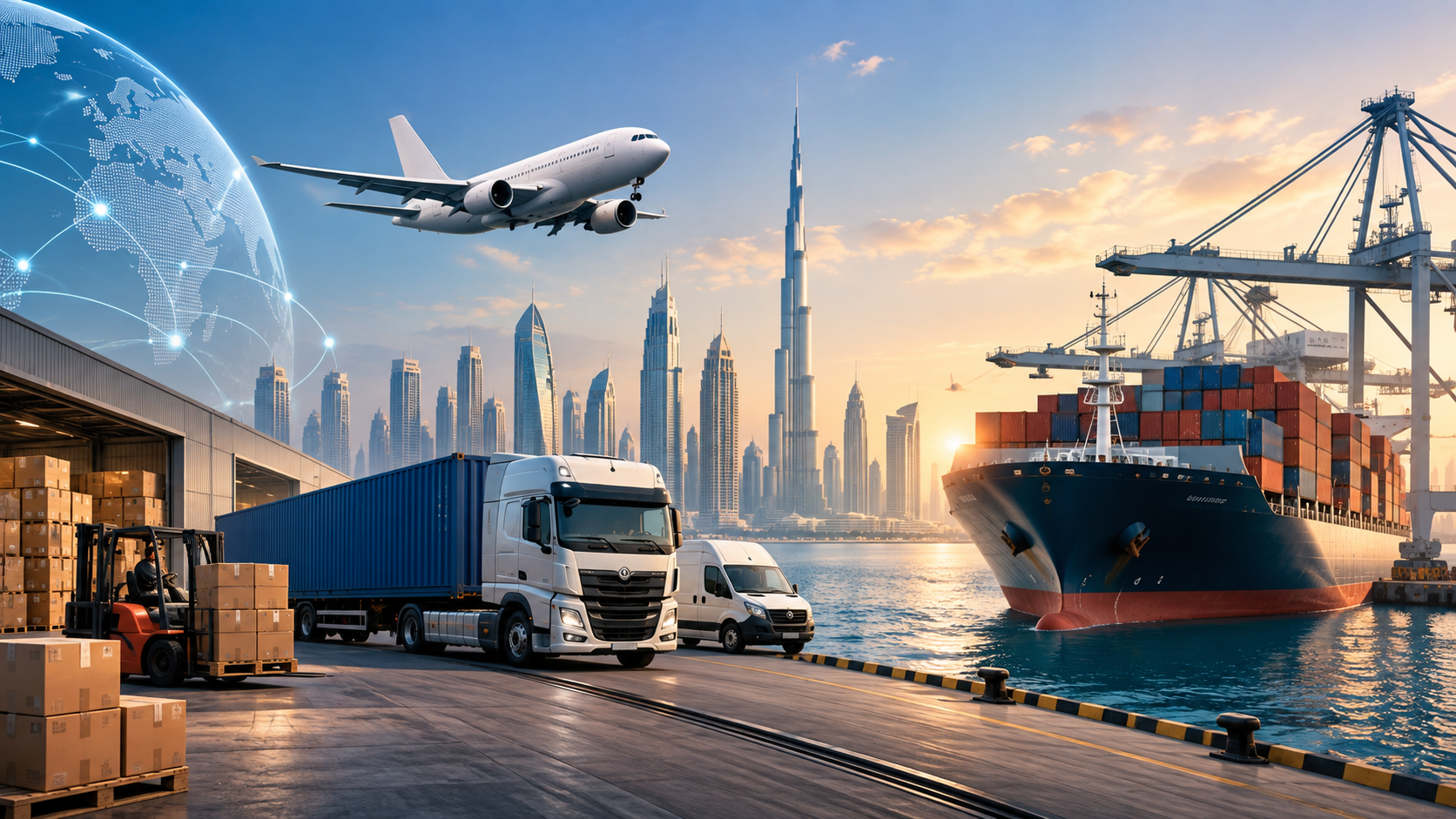
Heavy machinery logistics requires more than simply booking space on a vessel. It can involve specialized trucking, port coordination, lifting, equipment selection, lashing, customs documentation, ocean freight, clearance, and destination transportation.
An experienced logistics provider can coordinate these activities through one organized shipping process.
Professional support is particularly valuable when dealing with oversized or non-standard cargo, where a small mistake in dimensions, documentation, or equipment selection can lead to additional costs or delays.
Heavy Machinery Shipping from China to Dubai Made Easier
Importing construction and industrial equipment from China can be an efficient way for UAE businesses to access a wide selection of machinery. However, successful transportation depends on selecting the right shipping method and coordinating each stage carefully.
Whether you need to ship an excavator, bulldozer, forklift, crane, loader, generator, industrial machine, or complete project equipment from China to Dubai, experienced freight forwarding support can simplify the process from supplier pickup to final delivery.
A reliable logistics company can arrange pickup in China, export handling, container or specialized equipment, RoRo or Breakbulk transportation where suitable, ocean freight, UAE customs clearance, and final delivery.
For the best shipping solution, provide your machinery details—including dimensions, weight, pickup location, photos, and delivery destination—and request a customized quotation for heavy machinery shipping from China to Dubai, UAE.