Door-to-Door Cargo Shipping from China to Dubai & UAE: Complete Guide
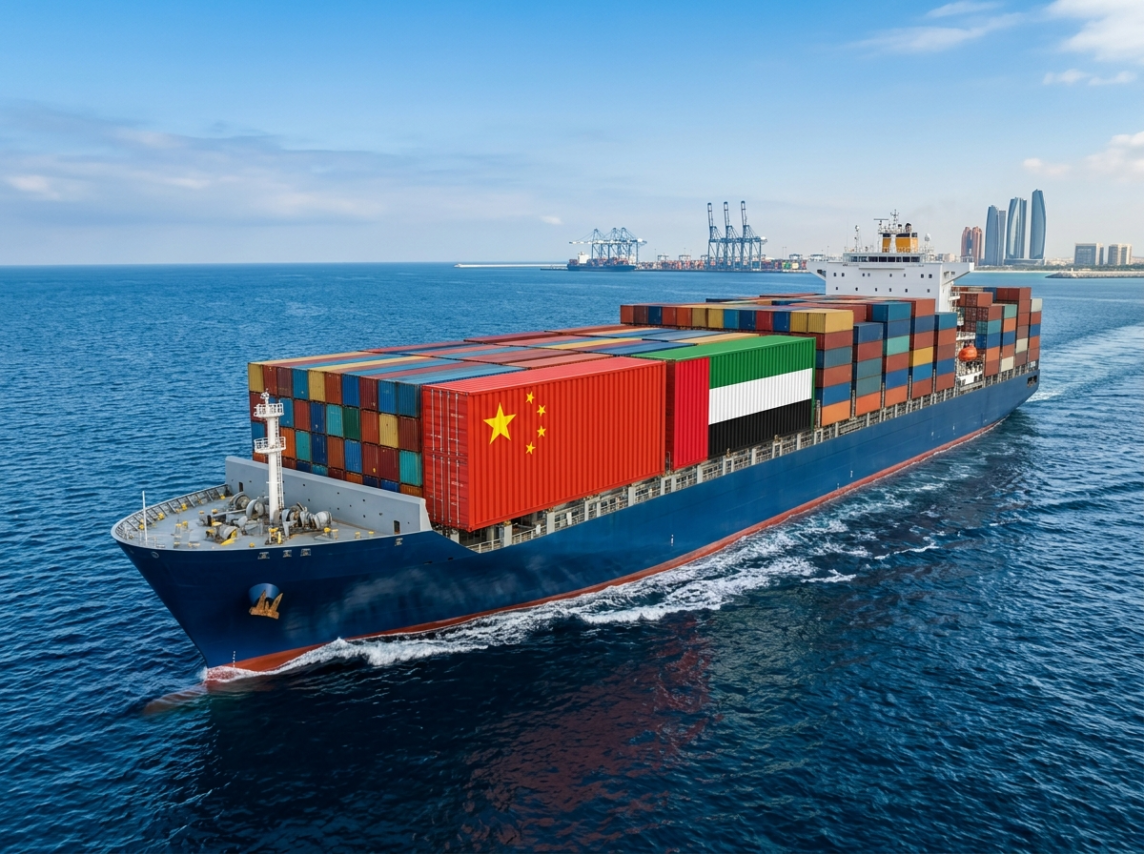
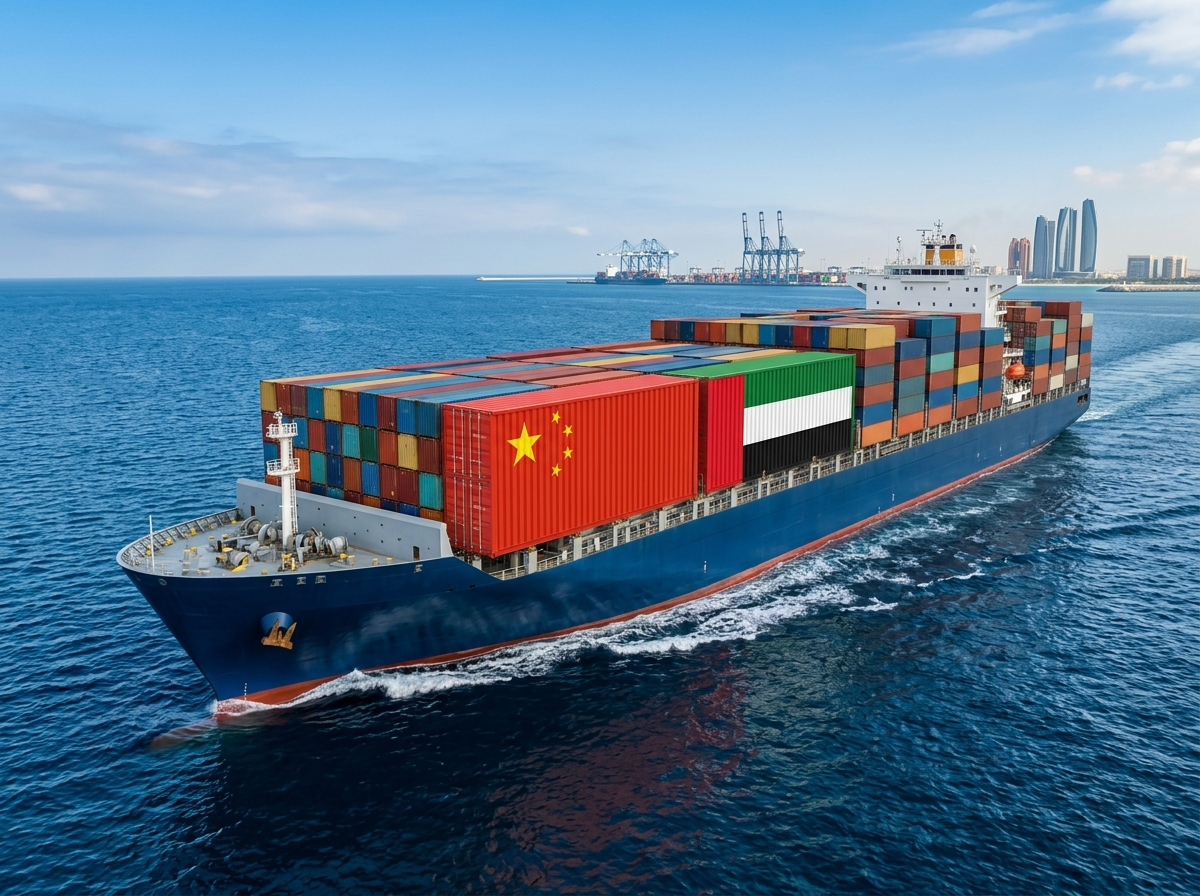
China remains one of the busiest trade corridors into the UAE, and door-to-door shipping has become the standard way businesses and individuals move goods from Chinese suppliers straight to their address in Dubai, Sharjah, or Abu Dhabi — without the hassle of collecting cargo from a port themselves. This guide covers exactly how the process works, realistic timelines, and what affects cost.
What Door-to-Door Shipping from China Actually Means
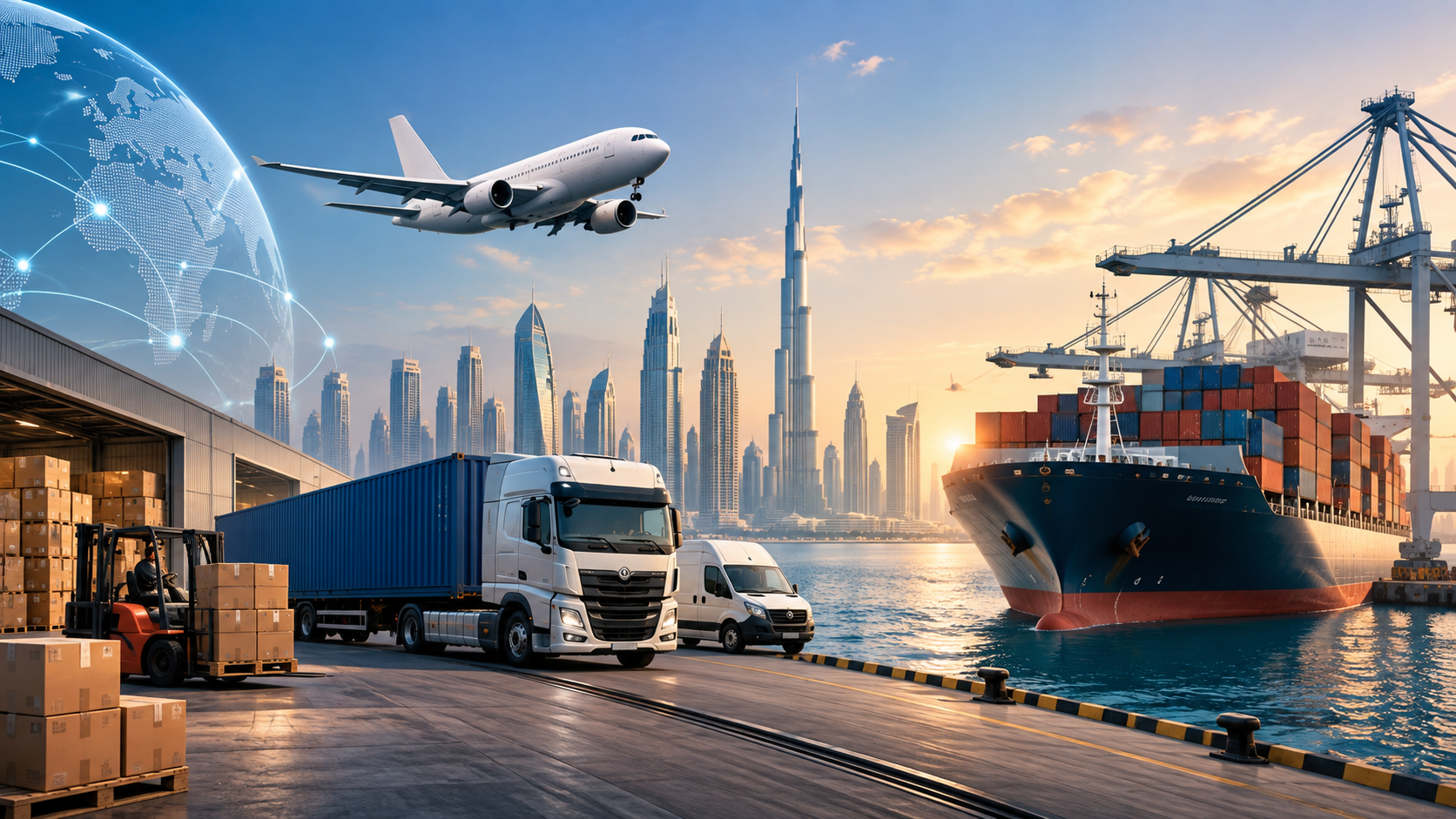
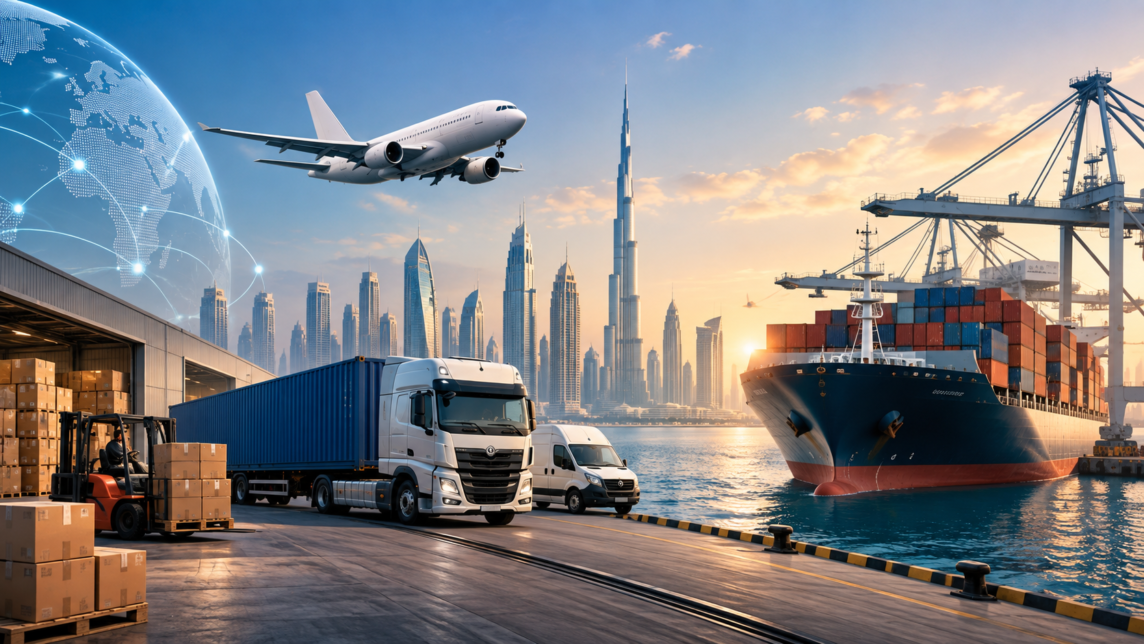
Traditional shipping ends at the port: your cargo arrives, and it’s on you to arrange customs clearance and onward delivery. Door-to-door shipping removes that gap entirely — collection happens at the origin (often directly from the factory or supplier in China), and delivery happens at your specified address anywhere in the UAE, with customs clearance handled in between.
Shipping from China to Dubai, Sharjah, and Abu Dhabi
Door-to-door service isn’t limited to Dubai. Whether your cargo needs to reach a warehouse in Sharjah’s industrial areas, a business in Abu Dhabi, or a residence in Dubai, the shipping and customs process is largely the same — international freight to the UAE’s main ports, followed by a final domestic delivery leg to whichever emirate you’re in. The main practical difference between destinations is the length and cost of that last-mile delivery, not the international shipping process itself.
Shipping Methods: Sea vs. Air from China
Sea Freight (LCL / FCL)
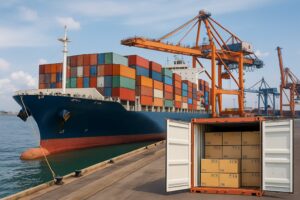
The most common and cost-effective method for cargo from China to the UAE. LCL (Less than Container Load) suits smaller shipments sharing container space; FCL (Full Container Load) suits larger volumes. Transit time is typically 15-30 days depending on the origin port and route.
Air Freight
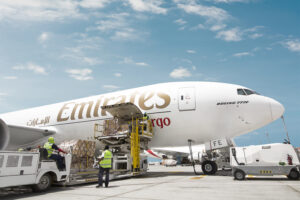
Faster — typically 5-10 days including clearance — but more expensive per kilogram. Air freight makes sense for time-sensitive or higher-value cargo where speed outweighs the cost difference.
What Affects the Cost of Shipping from China to the UAE
- Shipment volume or weight — sea freight is typically priced by volume (CBM), air freight by weight
- LCL vs. FCL — full containers cost more overall but often less per unit for large volumes
- Origin port in China — cost and transit time vary depending on which Chinese port your supplier ships from
- Customs duties — set by UAE customs, separate from the freight cost itself
- Final delivery distance — inland delivery to Abu Dhabi or further Sharjah locations may cost slightly more than central Dubai
Customs Clearance: What to Expect
Shipments into the UAE require proper documentation — commercial invoice, packing list, and bill of lading or airway bill, at minimum. A door-to-door service handles clearance on your behalf, which is one of its biggest practical advantages over arranging port-to-port shipping and clearance yourself, especially for businesses shipping regularly from Chinese suppliers.
Why Work with an Experienced China-to-UAE Freight Forwarder
Reef Shipping has handled door-to-door cargo shipments from China to Dubai, Sharjah, Abu Dhabi, and the wider UAE since 2008, coordinating collection from Chinese suppliers, sea and air freight, UAE customs clearance, and final delivery as a single, managed process rather than several separate handoffs.
Frequently Asked Questions
How does door-to-door shipping from China to Dubai work?
Your cargo is collected directly from the supplier or factory in China, consolidated or containerized, shipped by sea or air to the UAE, cleared through customs, and delivered directly to your address in Dubai, Sharjah, Abu Dhabi, or elsewhere in the UAE — without you needing to collect it from a port.
Can I get door-to-door shipping from China to Sharjah or Abu Dhabi, or only Dubai?
Yes. Door-to-door service from China covers the whole UAE, including Sharjah and Abu Dhabi, not just Dubai. The destination emirate mainly affects the final inland delivery leg after the shipment clears customs.
How long does shipping from China to the UAE take?
Sea freight from China to the UAE typically takes 15-30 days depending on the departure port and whether it’s a direct or transshipment route. Air freight is much faster, usually 5-10 days including customs clearance.
How much does cargo from China to Dubai cost?
Cost depends on shipment volume or weight, whether you use LCL (shared container) or FCL (full container), and the shipping method. LCL sea freight is generally the most economical option for smaller commercial shipments.
Do I need a customs broker for shipments from China to the UAE?
A full door-to-door service includes customs clearance handled on your behalf, so you don’t need to separately arrange a customs broker — this is one of the main advantages of door-to-door over port-to-port shipping.
Get a Free Quote for Shipping from China
Reef Shipping can put together a door-to-door quote for your specific cargo and destination in the UAE. See our China-to-UAE shipping service or request a free quote.