Shipping from China to UAE in 2026 – Process and Costs
China remains one of the UAE’s largest trading partners in 2026, supplying everything from electronics and furniture to construction materials, automotive parts, textiles, and industrial machinery. Businesses across Dubai, Abu Dhabi, Sharjah, and other emirates continue to rely on Chinese manufacturers for competitive pricing, product variety, and scalable production.
However, importing goods from China to the UAE involves more than simply placing an order with a supplier. Importers must understand shipping methods, customs regulations, import duties, VAT rules, documentation requirements, and freight costs to avoid delays and unexpected expenses.
This guide explains the complete process and costs of shipping from China to the UAE in 2026.
Why Businesses Import from China to UAE
The UAE is a global trading hub connecting Asia, Europe, and Africa. Chinese suppliers offer cost-effective manufacturing and flexible order quantities, making China an attractive sourcing destination for UAE businesses.
Popular products imported from China include:
- Electronics and gadgets
- Mobile accessories
- Furniture and home décor
- Building materials
- Machinery and industrial equipment
- Clothing and textiles
- Automotive spare parts
- Lighting products
- Kitchen equipment
- Packaging materials
Major UAE ports such as Jebel Ali Port and Khalifa Port make imports efficient for regional distribution throughout the GCC.
Shipping Methods from China to UAE
There are three main shipping options available in 2026.
1. Sea Freight
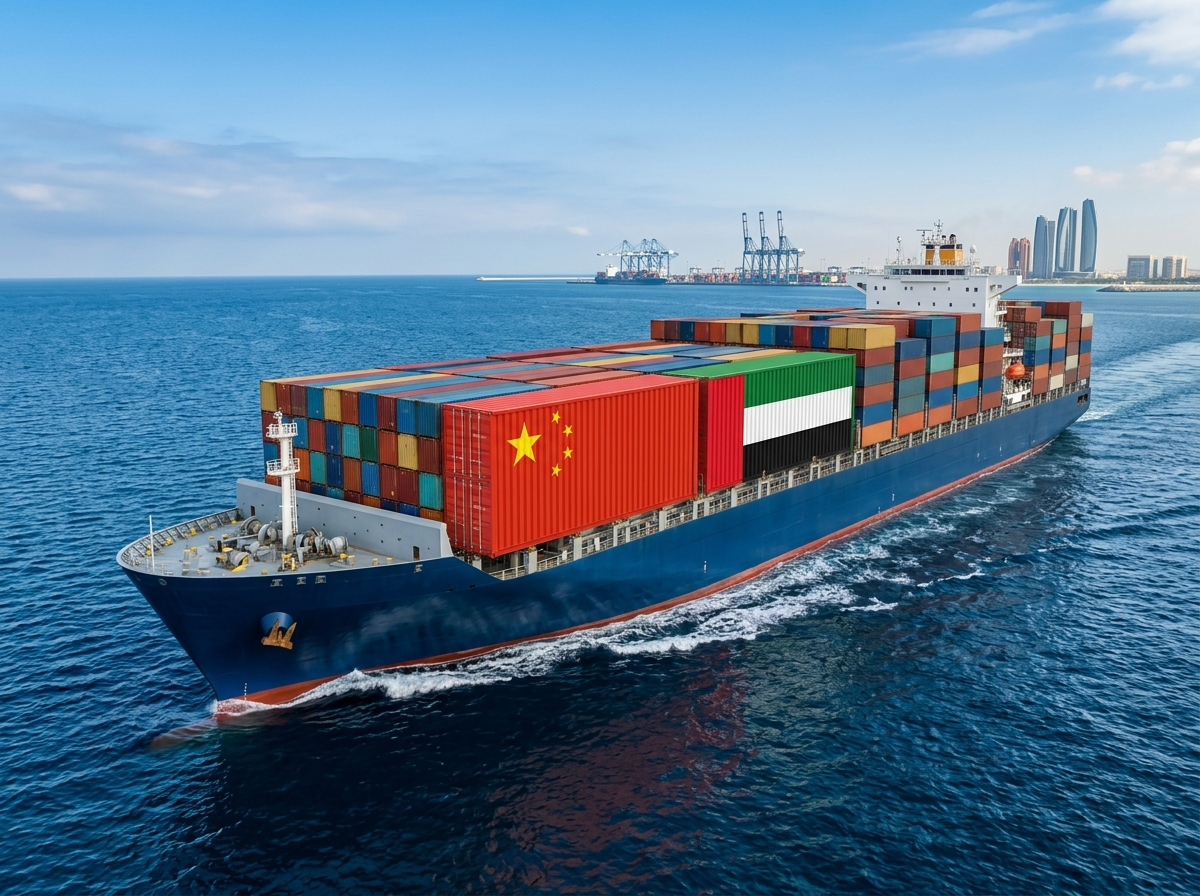
Sea freight is the most popular and economical option for large shipments.
Two common sea freight methods include:
FCL (Full Container Load)
FCL shipping means you book an entire container exclusively for your cargo.
Container sizes include:
- 20-foot container
- 40-foot container
- 40-foot high cube container
FCL is ideal for:
- Large-volume shipments
- Heavy cargo
- Faster container movement
- Better cargo security
LCL (Less than Container Load)
LCL allows multiple importers to share one container.
This method is suitable for:
- Small businesses
- Low-volume shipments
- Startups importing limited stock
However, LCL shipments usually take slightly longer because of cargo consolidation and deconsolidation.
2. Air Freight
Air freight is the fastest shipping method from China to UAE.
It is commonly used for:
- Urgent shipments
- High-value products
- Electronics
- Samples
- Lightweight cargo
Major airports handling cargo include:
- Dubai International Airport
- Al Maktoum International Airport
- Abu Dhabi International Airport
Air freight costs are significantly higher than sea freight, but delivery times are much faster.
3. Express Courier Shipping
Courier services such as DHL, FedEx, UPS, and Aramex are commonly used for:
- Documents
- Samples
- Small parcels
- E-commerce orders
This option is convenient but usually the most expensive per kilogram.
Shipping Time from China to UAE
Shipping time depends on the transportation method, origin city in China, and destination in the UAE.
Estimated Transit Times in 2026
| Shipping Method | Estimated Time |
|---|---|
| Sea Freight (FCL/LCL) | 16–32 days |
| Air Freight | 3–7 days |
| Express Courier | 2–5 days |
Ports like Shanghai, Ningbo, Shenzhen, Guangzhou, and Qingdao regularly ship cargo to Jebel Ali and other UAE ports.
Customs inspections, weather conditions, peak seasons, and port congestion can also affect transit times.
Step-by-Step Shipping Process
Step 1: Choose a Reliable Supplier
Before shipping begins, verify your Chinese supplier carefully.
Check:
- Business licenses
- Product certifications
- Factory audits
- Product quality
- Export experience
Many UAE importers use sourcing agents or third-party inspection companies to reduce risk.
Step 2: Confirm Product Details and HS Codes
Every imported product is classified under an HS Code (Harmonized System Code). These codes determine customs duty rates and import regulations. UAE customs authorities rely heavily on accurate HS classification.
Incorrect HS codes can result in:
- Customs delays
- Fines
- Additional inspections
- Overpayment of duties
Step 3: Arrange Shipping
Once the order is ready, choose:
- Sea freight
- Air freight
- Courier shipping
You also need to decide shipping terms such as:
- EXW (Ex Works)
- FOB (Free on Board)
- CIF (Cost, Insurance, Freight)
- DDP (Delivered Duty Paid)
Most UAE importers prefer FOB or CIF shipping arrangements.
Step 4: Prepare Shipping Documents
Common required documents include:
- Commercial invoice
- Packing list
- Bill of lading or airway bill
- Certificate of origin
- Import permit (if applicable)
- Insurance certificate
UAE customs requires accurate documentation for smooth clearance.
Step 5: Customs Clearance in UAE
When cargo arrives in the UAE, customs clearance begins.
The importer or customs broker submits documents through the customs system, including Dubai Customs’ Mirsal 2 platform.
Authorities review:
- Product classification
- Cargo value
- Country of origin
- Applicable duties and VAT
- Restricted or regulated items
Step 6: Delivery to Warehouse or Final Destination
After customs clearance and payment of charges, the shipment is released for delivery to:
- Warehouse
- Retail store
- Distribution center
- Customer location
Import Duties and Taxes in UAE (2026)
Understanding import costs is critical for accurate budgeting.
Customs Duty
The standard UAE customs duty remains 5% of the CIF value (Cost + Insurance + Freight) for most imported goods in 2026.
Certain goods have higher duties:
- Tobacco products: 100%
- Alcohol: 50%
- Selected steel products: up to 10% in some cases
VAT on Imports
The UAE applies 5% VAT on imported goods. VAT is calculated on:
- CIF value
- Customs duty
- Additional taxes if applicable
VAT-registered businesses may recover import VAT through VAT returns.
Free Zone Imports
Goods imported into UAE free zones are generally exempt from customs duty and VAT until they enter the mainland market.
This makes UAE free zones attractive for:
- Re-export businesses
- Regional distribution
- International trading companies
Estimated Shipping Costs from China to UAE in 2026
Shipping prices fluctuate depending on:
- Fuel prices
- Container availability
- Global demand
- Product category
- Shipment volume
- Port congestion
Average Sea Freight Costs
FCL Container Shipping
| Container Type | Approximate Cost |
|---|---|
| 20ft Container | USD 1,800 – 3,500 |
| 40ft Container | USD 3,000 – 5,500 |
Average LCL Shipping Costs
LCL cargo is charged per cubic meter (CBM).
Approximate rate:
- USD 80 – 180 per CBM
Average Air Freight Costs
Air freight rates generally range from:
- USD 4 – 12 per kilogram
Rates depend on:
- Cargo weight
- Cargo dimensions
- Airline availability
- Seasonal demand
Additional Charges
Importers should also consider:
- Customs clearance fees
- Port handling charges
- Documentation fees
- Storage fees
- Delivery charges
- Inspection fees
- Insurance costs
Common Challenges When Importing from China
Delayed Shipments
Peak seasons and port congestion can delay cargo movement.
Documentation Errors
Incorrect invoices or missing documents may lead to customs delays.
Product Quality Issues
Without inspections, some shipments may not match agreed specifications.
Hidden Costs
Unexpected storage charges or customs penalties can increase overall import costs.
Restricted Products
Some items require special approvals in the UAE, including:
- Medical products
- Cosmetics
- Food items
- Telecommunications devices
Always check UAE regulations before importing restricted goods.
Tips to Reduce Shipping Costs
Consolidate Shipments
Combining multiple orders into one shipment reduces freight cost per unit.
Choose the Right Shipping Method
Sea freight is cheaper for heavy cargo, while air freight suits urgent products.
Work with Experienced Freight Forwarders
Professional freight forwarders help avoid costly mistakes and simplify customs clearance.
Verify HS Codes
Correct classification prevents overpayment and customs complications.
Use Free Zones Strategically
Businesses focused on re-exporting can save significantly using UAE free zones.
Conclusion
Shipping from China to UAE in 2026 remains highly profitable for businesses that understand the import process and cost structure. The UAE continues to offer world-class logistics infrastructure, efficient ports, and strong trade connectivity, making it one of the best gateways for Middle East trade.
Success depends on choosing the right suppliers, understanding customs regulations, preparing accurate documents, and partnering with reliable freight forwarding and customs clearance experts.
With proper planning, businesses can reduce shipping costs, avoid delays, and build a profitable import operation between China and the UAE.